
Introduction
In an era where rapid technological advancements and social media have transformed the way we interact, music remains a core element in fostering genuine connections. As we navigate through 2026, it’s essential to explore how music serves as a bridge between individuals, communities, and cultures, enhancing authenticity in our relationships and experiences.
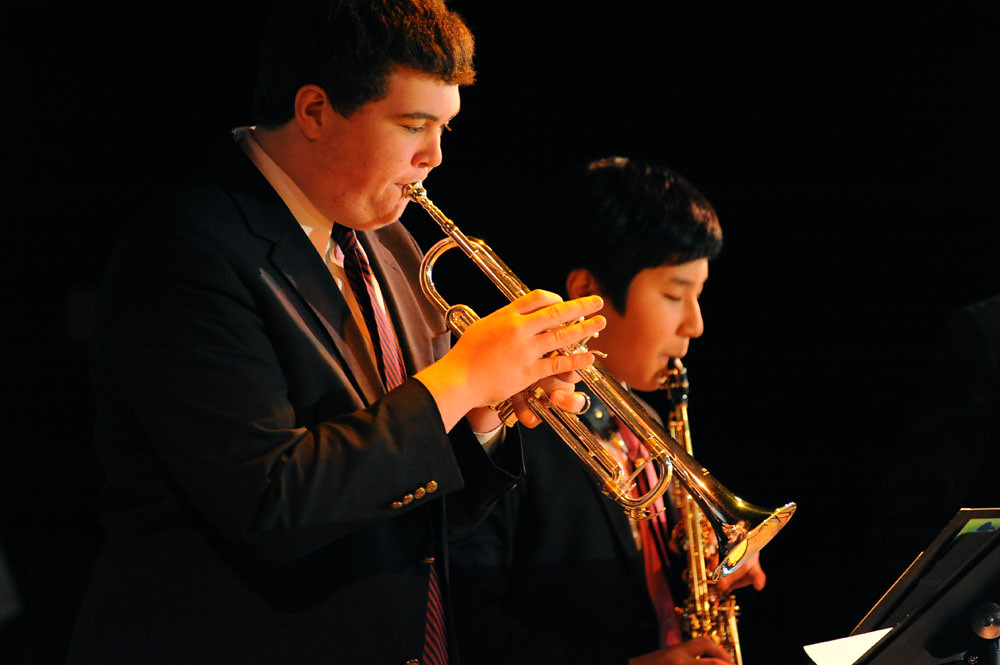
The Emotional Resonance of Music
Music has an unparalleled ability to evoke emotions and create a sense of belonging. Studies show that listening to music can trigger the release of dopamine, a neurotransmitter associated with pleasure and reward. This emotional resonance plays a crucial role in how we connect with others. In 2026, more people are using music as a tool for emotional expression and bonding.
1. Shared Musical Experiences
Attending concerts, music festivals, and live events offers unique opportunities for individuals to share experiences.
- Building Community: When people gather to enjoy live performances, they form a sense of community. These shared moments foster connections that transcend personal differences.
- Creating Lasting Memories: The nostalgia associated with shared musical experiences can strengthen bonds among friends and family, creating lasting memories.
2. Music as a Language of Connection
In 2026, music is increasingly recognized as a universal language that transcends cultural and linguistic barriers. Various platforms enable users to discover and appreciate music from different genres and backgrounds, fostering understanding among diverse groups.
- Collaboration Across Cultures: Artists from different parts of the world are collaborating more than ever, resulting in unique fusion genres that highlight cultural diversity.
- Global Music Platforms: Streaming services and social media platforms allow users to connect with fans and artists globally, bridging gaps and fostering international friendships.
The Role of Technology in Music Connection
As technology continues to evolve, it shapes how music is created, shared, and experienced. Advances in artificial intelligence and machine learning have transformed the way artists produce music, while social media enhances connectivity among fans.
1. Personalized Music Recommendations
In 2026, algorithm-driven platforms provide personalized music recommendations based on users’ listening habits. This creates a more curated experience, allowing listeners to discover new artists and genres that resonate with their emotions and experiences. Also read: wak89 for more insights.
2. Virtual and Augmented Reality Concerts
Virtual reality (VR) and augmented reality (AR) are revolutionizing the concert experience. In 2026, fans can attend virtual concerts from the comfort of their homes, connecting with others worldwide in real-time.
- Accessibility: VR concerts make live music accessible to those who may not be able to attend due to geographic or physical limitations.
- Interactive Experiences: Fans can engage in interactive experiences that allow them to connect with artists and fellow fans in innovative ways.
Music and Social Movements
In 2026, music continues to be a powerful tool for social change. Artists are using their platforms to raise awareness of important issues, mobilizing communities and fostering connections.
1. Advocacy Through Music
Many musicians are advocating for social justice and environmental issues through their work, using their art to inspire change and connect with like-minded individuals.
- Raising Awareness: Songs that address social issues resonate with audiences and can spark conversations that lead to action.
- Community Organizing: Benefit concerts and fundraising efforts bring people together to support important causes, strengthening community bonds.
2. Music and Mental Health
As the recognition of mental health issues grows, music therapy is increasingly being used to promote well-being. In 2026, more individuals are turning to music as a means of coping and connecting with others facing similar struggles.
- Support Groups: Music therapy groups provide a supportive environment where individuals can share their experiences while connecting through music.
- Therapeutic Benefits: Engaging with music has proven benefits for mental health, allowing individuals to express emotions they may otherwise struggle to articulate.
The Future of Music and Connection
As we look forward, the relationship between music and human connection is set to evolve further. With the continued integration of technology and a growing focus on mental health, musicians and listeners alike are likely to prioritize authenticity and community in their interactions.
- Emphasis on Live Connections: As the world moves toward a post-pandemic reality, the desire for live, in-person connections will likely remain strong, fueling a resurgence in local music scenes.
- Innovative Collaborations: Artists will continue to explore collaborations that break down cultural barriers, enriching the global music landscape.
Conclusion
In 2026, music serves as a vital link in fostering authentic connections among individuals and communities. As we embrace the transformative power of music, we are reminded of its ability to bridge gaps, inspire change, and cultivate a shared sense of humanity. By continuing to prioritize the emotional and social aspects of music, we can deepen our relationships and create a more connected world.