
Introduction
In the rapidly evolving world of music, 2026 stands out as a year where technology and creativity fuse in unprecedented ways. Streaming platforms have not only changed how we consume music but also how artists create it. By harnessing detailed analytics, musicians are now crafting more personalized and engaging pieces, redefining the artistry behind music production.
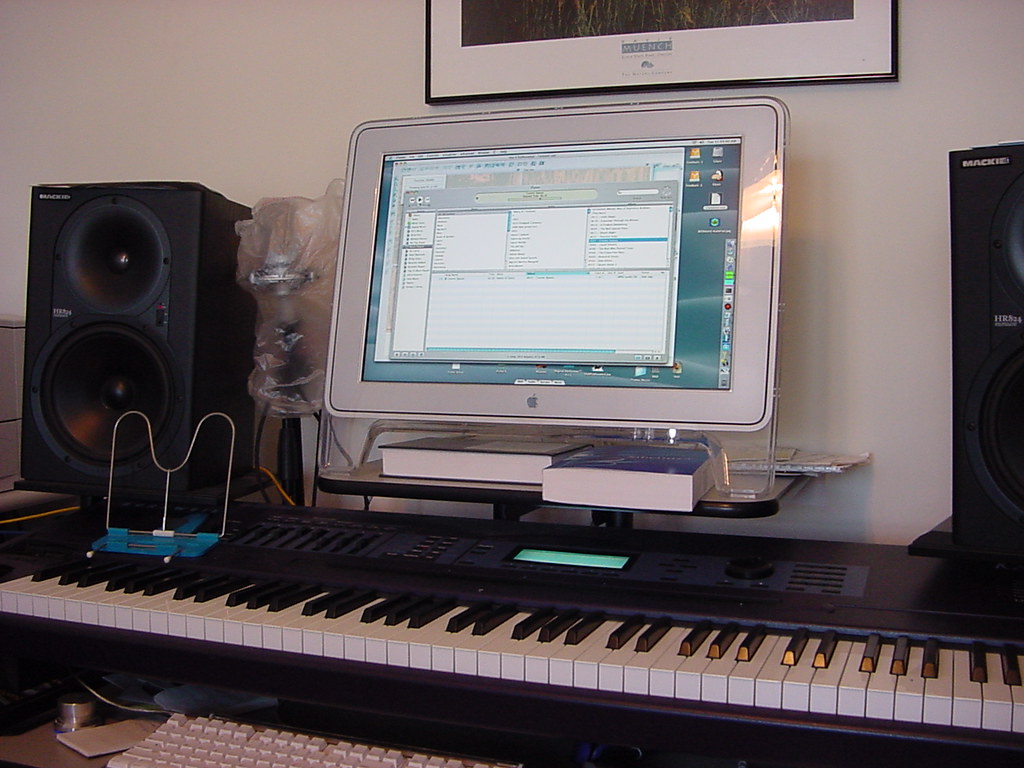
The Evolution of Music Creation
Gone are the days when musicians relied solely on intuition and traditional methods for songwriting and production. Today, analytics have become an integral part of the musical landscape, influencing everything from song structure to marketing strategies.
Understanding Streaming Analytics
Streaming analytics encompasses the data collected from listeners on various platforms. This includes metrics such as:
- Play counts
- User demographics
- Listening habits
- Engagement levels
Such data provides artists with insights into their audience’s preferences and behaviors, allowing for a more tailored approach to music creation.
Crafting Music with Data-Driven Insights
In 2026, artists are increasingly turning to data to shape their creative process. Here’s how they are doing it:
1. Genre Exploration
Artists can determine which genres are trending among their audience. By analyzing playlist data, musicians can experiment with elements from popular genres that resonate with their listeners.
2. Song Structure Optimization
Data can reveal the ideal song length, verse placement, and hook effectiveness. Artists can analyze which tracks maintain listener attention and mimic those successful structures in their own work.
3. Lyrics Personalization
By understanding what lyrics resonate emotionally with their audience, songwriters can create more impactful narratives. Data can inform themes, language style, and even rhyme schemes that connect deeply with fans.
4. Timing and Release Strategies
Analytics provide insights into when audiences are most active, allowing artists to optimize their release schedules. Strategic timing can significantly impact initial streaming numbers and long-term engagement.
The Role of AI in Music Creation
Artificial Intelligence (AI) is becoming a game-changer in music creation. In 2026, AI tools are used for generating melodies, harmonies, and even full songs based on the data collected from listener habits.
Exploring AI Composition Tools
Tools like OpenAI’s MuseNet and Google’s Magenta have evolved, allowing musicians to collaborate with AI in real-time, creating unique sounds and styles that might not have been conceived through traditional methods.
Enhancing Creativity
AI assists artists by suggesting chord progressions and melodies, pushing them beyond their creative boundaries. This partnership fosters innovation and experimentation, bringing fresh sounds to the music scene.
Challenges of Data-Driven Music Creation
While analytics and AI offer plenty of opportunities, there are also challenges:
1. Artistic Authenticity
Relying too heavily on data can lead to formulaic music. Artists must balance data-driven decisions with their genuine creative instincts.
2. Overanalyzing Trends
Music is an art form, and overreliance on trends can stifle originality. Artists need to ensure their music reflects their vision rather than strictly adhering to data-driven formulas.
The Future of Music Creation
As we move beyond 2026, we can anticipate the continued evolution of music influenced by analytics and AI. Here are some potential trends:
1. Collaborative Platforms
Future platforms may facilitate more collaboration between artists and data scientists, further democratizing access to musical insights.
2. Personalized Music Experiences
Streamers may evolve to create fully personalized music experiences, shaping playlists that adapt dynamically to listener moods and preferences.
Conclusion
In 2026, the landscape of music creation is more connected to data than ever before. While the use of streaming analytics and AI tools presents opportunities for innovation, the heart of music lies in its ability to evoke emotion and connect people. Artists must find a harmonious balance between technology and creativity to thrive in this new musical era.